Fishing Rod Lure Types: Spinning or Casting?
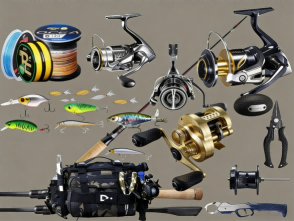
- Spinning rods: easy to start with, beginner-friendly.
- Casting rods: harder to handle, but offer higher precision.
Tip: Beginners should start with Spinning + Spool setup, and consider Casting with baitcasting or round reels after gaining experience. 【Practical tip】
Choosing the Best Length for Your Fishing Rod
- Short rods (1.3–1.8m): flexible, ideal for streams or complex structures.
- Medium rods (~2m): suitable for Bass or Perch, moderate casting distance.
- Long rods (2.2–3m+): for long casts targeting Pike or Snakehead.
Rod Power and Action Explained
Power: Indicates the lure weight range a rod can handle and its ability to fight fish.
- L (Light), ML (Medium Light), M (Medium), MH (Medium Heavy), H (Heavy), XH (Extra Heavy)
- Soft rods are suitable for light lures and thin lines, while stiff rods are better for heavy lures and big fish.
Action: Describes where the rod bends.
- Fast: Bends near the tip, highly sensitive; ideal for quickly detecting bites, hooking fish, or competing in crowded fishing spots.
- Medium: Bends moderately; suitable for even-paced casting or using large, vibrating lures.
- Slow: Bends toward the rear; suitable for smooth presentations and controlling larger lures.
Power affects lure weight and line choice, while Action determines where the rod bends. Fast action rods detect bites quickly; medium action rods are better for smooth casting or big vibrating lures.
Line and Lure Weight: Match for Best Performance
Rod labels show suitable lure weight (e.g., 5–15g) and line rating (lbs). Beginners should note:
- Lure weight is a guideline; too light or too heavy affects comfort and rod safety.
- Proper line-lure match ensures smooth casting and better catch rates.
Tip Diameter, Butt Diameter, and Taper
- Tip Diameter: The thinnest diameter at the rod tip.
- Butt Diameter: The thickest diameter at the handle.
A larger taper provides more backbone and durability but increases weight and cost. A smaller taper makes the rod lighter while maintaining sufficient strength, but the rod is more prone to breaking under stress.
Tip and butt diameters determine taper. Large taper: stronger, heavier, more expensive; small taper: lightweight, strong, but bending may reduce accuracy.
Practical Tips & Common Mistakes
- Beginners don’t need the most expensive rods; affordable rods around 50–100 USD are fine.
- Harder rods are better for fighting Bass or Perch in ponds or wild fishing.
- Soft rods help avoid tearing the mouth of small-mouthed fish.
- Power ≠ Action: Power is strength, Action is bending point.
Beginner Gear Recommendations
- For beginners: spinning + spinning reel, ~2m length, M or ML power, medium-fast action.
- REeffun also offers a range of excellent products suitable for total beginners
- Line: 6–10lb nylon, lure weight 5–15g.
Conclusion & Share the Knowledge
After learning these basic parameters and tips, beginners can easily pick the right lure fishing rod, improving both efficiency and experience. Rod parameters are not complicated symbols—they are your tools for more precise and enjoyable fishing.
If you found these tips useful, share them with your fishing buddies to help more people start lure fishing with ease!