1. Rod Selection – Start Smart, Keep Costs Low
Many beginners tend to go for high-end rods, but at the beginner stage, learning and practice are more important.
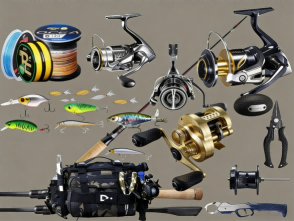
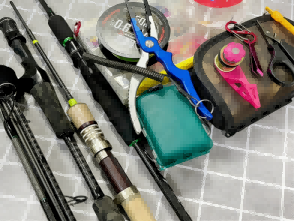
- Recommended Price: Around $50–$100, affordable and sufficient for practice
- Recommended Length: 1.8 meters (6 feet) straight handle, suitable for most micro-lure fishing scenarios
- Recommended Power: UL (Ultra Light), sensitive yet durable
💡 Pro Tips:
- UL rods are highly sensitive, allowing you to feel even the slightest nibble.
- Delicate tips mean you should cast carefully; practice slow and controlled casting.
- 1.8m rods provide enough casting distance and are easy to handle in tight spaces.

2. Reel Selection – Spinning Reels for Easy Learning
Spinning reels are simple to operate and versatile, making them ideal for beginners.
- Recommended Size: 2000 -3000 series with shallow spool
- $50–$90 reels are sufficient; expensive reels don’t guarantee better casting or performance
- Line Recommendation: PE braid, thinner line allows longer casts; 0.6 lb test is ideal
💡 Pro Tips:
- PE line enhances sensitivity, helping you detect even tiny bites.
- Shallow spools reduce line tangles for smoother casting.
- Adjusting the drag helps control line retrieval and improves hook-up rates.

3. Lure Selection – Keep It Light, Catch More Fish
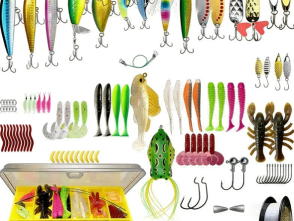
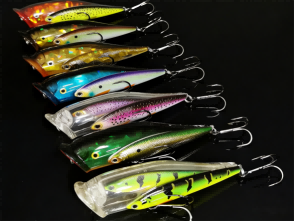
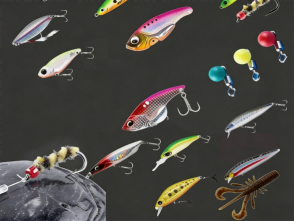
For beginners, lightweight, affordable, and easy-to-use lures like spinners or spoons are perfect.
- Weight Recommendation: Around 2 grams (0.07 oz)
- Types: Spinnerbaits, spoon lures
- Colors: Keep 2–3 colors handy and experiment to find the most effective one
💡 Pro Tips:
- Lightweight lures are easy to handle and not expensive to lose, perfect for practice.
- Experiment with retrieval methods: steady, fast-slow, or pause-and-retrieve to mimic injured prey.
- Micro-lures are effective for small freshwater fish and can even catch medium-sized fish.

4. Accessories & Knots – Improve Efficiency and Safety
- Knots: Use a versatile knot suitable for most fish
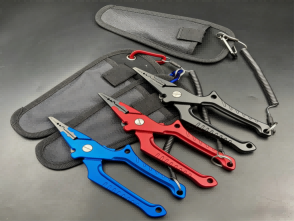
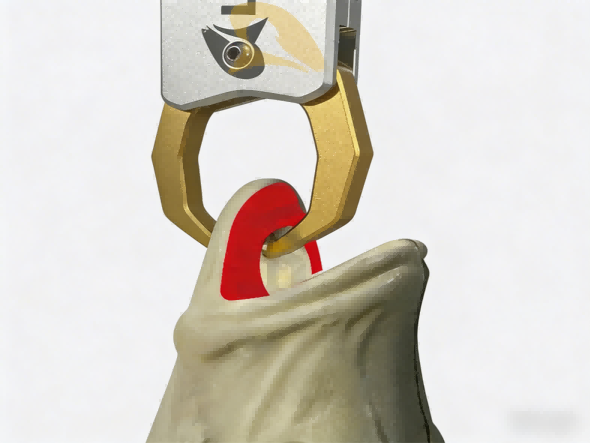
- Snap Hooks: Size 0 or 01 for easy lure changes
💡 Pro Tips:
- A reliable knot allows quick line or lure changes while protecting the main line.
- Snap hooks enable quick swaps between lures, adapting to varying fish conditions.
- Small accessories make a big difference; proper use improves fishing efficiency.
5. Practical Tips – Casting and Retrieval Techniques
- Casting: Start slow, then gradually increase speed, coordinating with your body
- Retrieving: Use steady, fast-slow, or pause-and-retrieve methods depending on fish activity
- Lure Action: Subtle shakes or pauses mimic injured prey, attracting bites
💡 Pro Tips:
- Adjust your technique based on water current, wind, and conditions.
- Observe fish behavior and adapt lure color and retrieval speed accordingly.
- Lure fishing builds patience and observation skills; practice consistently for faster improvement.
6. Mindset & Upgrade Advice – From Beginner to Advanced
- Mindset: Focus on building skills, not catching big fish immediately
- Upgrade Tips: Once confident, invest in a best lure fishing rod and reel combo for better performance
- Equipment Upgrade: Gradually explore rods with different powers and advanced reels
💡 Pro Tips:
- Start in small rivers or lakes to master casting and retrieval.
- Keep a log of lures and techniques to track what works best.
- Slowly progress to advanced rod and reel combos to level up your fishing game.
Conclusion – Start Your Lure Fishing Journey with REeffun
Beginner setup recommendation:
- Rod: 1.6m-1.8m UL straight handle
- Reel: 2000 - 3000 series spinning reel with 0.6 lb PE line
- Lures: Lightweight spinnerbaits or spoons
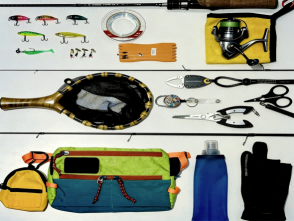
- Accessories: Versatile knot + size 0 snap hook
Master these basics, and you’re ready to enjoy micro-lure fishing anywhere!
👍 If you found this guide helpful, like and share it with your fishing buddies—let’s enjoy lure fishing together!