Know Your Target and Environment
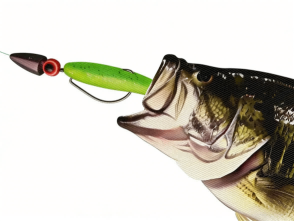
For fishing enthusiasts around the globe,lure fishing is an exciting method of angling.Whether you are chasing big bass withstriper fishing luresin North America,battling salmon in European rivers,or exploring saltwater wetlands in Australia,choosing the correct lure is key to success.
In this installment of our Lure Fishing Notes,we will dive into the selection of lureweightandtypeto provide you with practical guidance for international fishing spots.We atREeffunare dedicated to helping anglers find the most suitable gear,ensuring every cast is made with confidence.
The Philosophy of Lure Weight: Determining Cast and Sensitivity
The choice of lure weight is far from arbitrary; it directly impacts casting distance,sink rate,and your sensitivity to underwater structure.
The Golden Rule of Casting Comfort Zone
First and foremost,theprimary factoris to check thelure weight rangeindicated on your fishing rod.
- 🎣 Optimal Casting Weight: Generally, the most comfortable and longest casting weights fall into the upper-middle range of the rod's designated lure weight.
- Example: If your rod’s maximum lure weight is 15g, a lure around 10g will feel most comfortable to cast, as it better “loads” the rod’s power.
Weight and Application of the Three Main Lure Types
Lures come in many varieties,and each has its specific considerations when it comes to weight selection.
1-Metal Lures: Top Choice for Long Casts and Fast Sinking
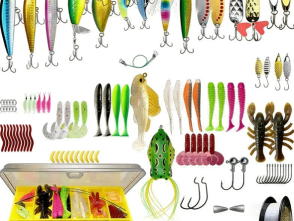
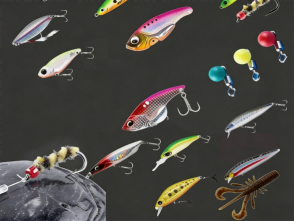
Metal lures typically include Spoons,Jigs (Jigging Lures),and VIBs (Vibration Baits).
- Characteristic:Low air resistance and high density,making them ideal for long casts (especially in shore or boat fishing where quick bottom contact is needed).
- Weight Impact:A heavier lure theoretically casts further and sinks faster.When chasing species like salmon usingsalmon fishing luresin open water or targeting large freshwater predators in deep water,heavy metal lures can quickly reach the strike zone.
2-Hard Baits: Balancing Action and Casting
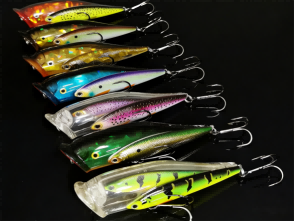
Hard Baits include Minnows,Pencils,Poppers,etc.
- Air Resistance:Hard baits generally have more air resistance than metal lures.
- Internal Weight:Sinking hard baits (Sinking Minnows,Pencils) use internal weights to adjust sink rate and posture.Provided the size is the same,a heavier lure is more conducive to long casts.
- Advanced Design:Some high-end hard baits feature aWeight Transfer System,where movable weights shift backward during the cast for greater distance,then shift forward upon hitting the water to restore the swimming action.This is a critical factorREeffunconsiders when designing long-casting hard baits.
3-Weighted Rigs: Key to Depth Perception and Current Resistance
Weighted lures refer to soft plastics paired with Jig Heads,Texas Rigs,etc.
- Depth Principle: The deeper the water, the heavier the weight. For example, fishing at 5m deep might require a 5g jig head, while at 10m deep you might need 10g or even 15g. This is because deep water reduces your sensitivity to bottom structure; increasing the weight enhances the “feel.”
- Current Areas: When fishing in areas with current (like rivers or tidal zones), if your lure is easily swept away, you can increase the weight to stay in the target water layer. This is particularly important when targeting Stripers in North America or Salmon in European rivers.
- Obstacle Areas: In heavy-obstacle or thick-weed areas using a Texas Rig, too light a weight may not penetrate the obstacles. Sometimes, you may need 10–20g Texas weights to “punch” through dense weeds.
Practical Tips and Common Mistakes
Beginner Gear Recommendations
For beginners new to lure fishing,we at REeffun recommend choosing aversatile setup.
A medium-action straight or pistol-grip rod with a lure weight range of 7g–21g (1/4 oz–3/4 oz), paired with a suitable reel. This range covers most hard baits, small metal lures, and medium-weight soft plastics. REeffun also offers a series of beginner-friendly kits with excellent performance and high cost-effectiveness.
Don't Forget the Fun of Topwater!
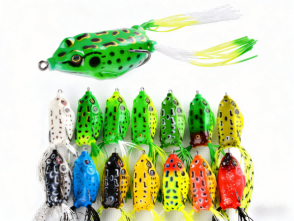
- The weight oftopwater fishing lures(such as Popper,Pencil) primarily affects casting distance.Since they are designed to work on the surface,their weight does not affect their sink rate.
- Using surface lures often works best at dawn, dusk, or on cloudy days. Imitating the struggling action of injured baitfish or frogs on the water surface can trigger strikes from large predatory fish, such as North American Black Bass or Australian Bass.
Common Mistake: Heavier Does Not Equal Further
- The Myth:Many people believe that a heavier lure automatically casts further.
- Using a lure that exceeds the rod’s weight limit not only reduces casting distance but also increases the risk of breaking the rod! Maximum casting distance is achieved only when the lure is within the rod’s optimal weight range.
Further Learning: International Fishing Regulations and Resources
While enjoying the fun of lure fishing,please ensure you comply with local fisheries regulations.Different countries and regions have strict rules regarding fish size limits,catch quotas,and even the types ofsalmon fishing luresthat are allowed.
If you found this article helpful to your fellow anglers,pleaselike and shareit with them.