🌎 Global Lure Fishing: Why a Quality Fish Gripper Matters
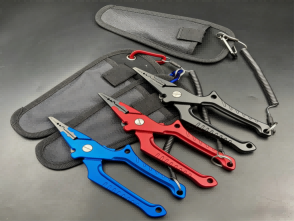
As passionate anglers, whether you’re targeting the hard-fighting Largemouth Bass in North American lakes, the powerful Pike and Zander across Europe, the notorious Barramundi in Australian estuaries, or the feisty Grouper and Snapper in Southeast Asian waters, one tool is crucial for safe and ethical catch-and-release: the Fish Gripper (控鱼器).
The gripper helps you control a freshly caught fish without damaging its jaw or risking a hook-related injury to yourself. While rods, reels, lines, hooks, and lures are essential for the catch, the gripper ensures a safe landing and release. Let’s dive into how to pick the best one for your global adventures!
🛠️ Key Factors for Choosing Your Fish Gripper
Choosing a fish gripper isn't about the flashy look; it's about strength, durability, and safety. Here are the core focus points:
1. Material and Durability
The material is the foundation of a reliable gripper. You want something that can handle a violent "death roll" from a large fish and resist corrosion from saltwater and moisture.
- Stainless Steel : Offers excellent strength and corrosion resistance. It's generally heavier but provides great value for the price. This is a common and reliable choice for most applications.
- Titanium Alloy : The premium choice. It's significantly lighter than stainless steel while maintaining high strength and superior corrosion resistance. However, it comes with a higher price tag.
- Avoid Aluminum and Plastic : Aluminum is prone to warping under stress and can develop looseness (矿量) over time. Plastic lacks the necessary strength and ages easily, increasing the risk of losing a big catch.
2. Jaw Design and Clamping Mechanism
The gripper's jaw is where the control happens. A good design ensures a secure hold without harming the fish.
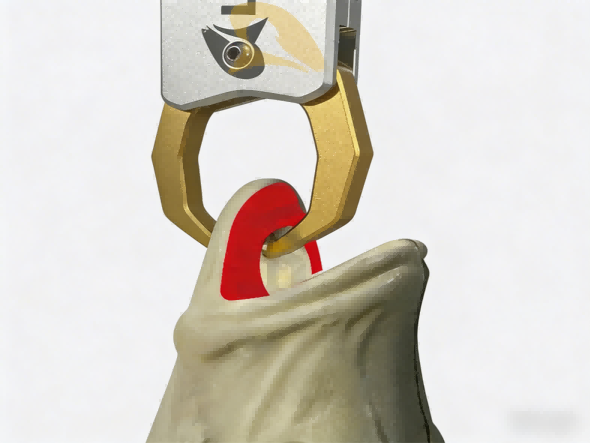
- Jaw Opening Size : Ideally, the opening should be 3 cm (about 1.2 inches) or more. A larger opening allows you to safely handle a wider range of species and larger fish jaws, preventing the frustrating issue of a fish being too large to grip securely.
- Tight Closure and Flat Contact : When closed, the jaws must be tight and without any looseness (旷量). Crucially, the closed jaws should form a flat surface rather than a single point of contact. A flat surface provides a more stable and less damaging hold on the fish's lower jaw.
- One-Way Locking Function : This is a must-have safety feature. The jaws should have a mechanism that allows them to tighten but not loosen once engaged. This ensures the grip remains secure even if you slightly relax your hand.
3. Length and Safety Feature
Longer is often safer, and rotational features prevent injuries.
- Length : For beginners, especially, choose a length of 25 cm (about 10 inches) or more. Fish can struggle violently during control. A longer gripper keeps your hand further away from the flailing fish and its sharp hooks, significantly reducing the risk of accidental hooking.
- Rotational Stress Relief : A gripper with a rotating handle or swivel joint is highly recommended. If a fish performs a "death roll" (死亡翻滚), the rotation allows the fish to spin without twisting the gripper out of your hand or, worse, twisting and injuring your wrist.
💡 Practical Tips and Common Misconceptions
🎣 Newbie Gear Recommendation
If you are just starting out, prioritize a stainless steel gripper with a length of 25cm+ and a one-way lock. This provides the best balance of safety, durability, and cost-effectiveness. REeffun also offers a series of excellent products in this category that meet these high standards for global anglers.
⚠️ Avoid the Scale Gimmick
Some grippers come with a built-in spring scale. Generally, these scales are not accurate. Do not let these extra features become the deciding factor in your choice. Functionality and reliability are paramount—a good scale is a separate tool.
💰 Investment Value
A high-quality fish gripper is a lifetime investment. Unlike consumables like line or lures, a good gripper, if not lost, can be used indefinitely. Don't be tempted to save money on this crucial safety tool, only to risk losing a trophy fish or injuring yourself. REeffun firmly believes in making reliable tools that last.
🔗 Related External Resources
For more information on ethical handling of fish in your region, consider checking resources from local governmental bodies or established fishing conservation groups.
👍 If this guide helped you feel more confident about choosing your next fish gripper, why not share it with your fishing buddies? A safer catch-and-release is always a better fishing trip!