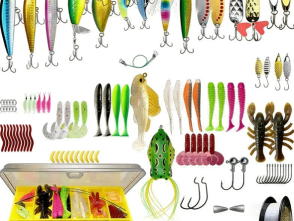
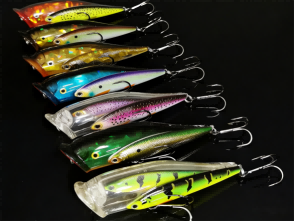
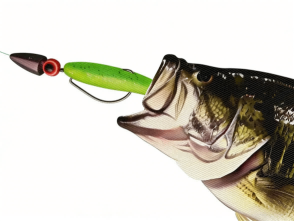
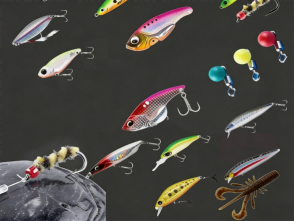
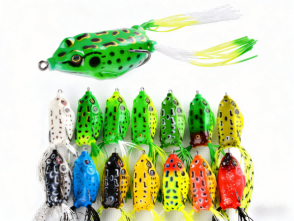
For anglers worldwide, the jig head hooks are virtually the indispensable soul equipment in Lure fishing. Whether you're chasing Largemouth Bass in North America's vast lakes, battling Sea Bass along the European coasts, or seeking Barramundi in Australia's mangroves, the choice of your jig head is critical to your success.
Jig Head Weight: The Art of Balance Between Light and Heavy
The core information you provided is crucial: Jig heads that are too heavy are prone to snagging, and the bait's action is poor; conversely, if the hook is too light, the bait struggles to reach the bottom. This leads us to the fundamental principle of selecting a jig head—while ensuring the bait can clearly feel the bottom, lighter is better.
Lighter baits drift more naturally in the water, offering better action and palatability (the fish's willingness to bite), and significantly reduce snagging, especially in rocky or weedy environments.
The specific weight you choose must be selected based on the fishing water depth and water current.
| Environmental Conditions | Recommended Weight | Target Species/Scenario |
|---|---|---|
| Slow Current/Still Water/Shallow Margins | 3.5g or 5g | White Bass, Mackerel (Southeast Asian) |
| Faster Current/Deeper Water | 5g or 7g | Zander (European Pike-Perch), Snapper (Australian) |
| Deep Water Rapid Current | 10g | Shore/Bank Fishing Grouper, Large Striped Bass |
| Extremely Strong Current | 14g | Special environments like Offshore/Deep Sea or Downstream of Dams |
Advanced Tips: From circle hook jig heads to Perfect Matching
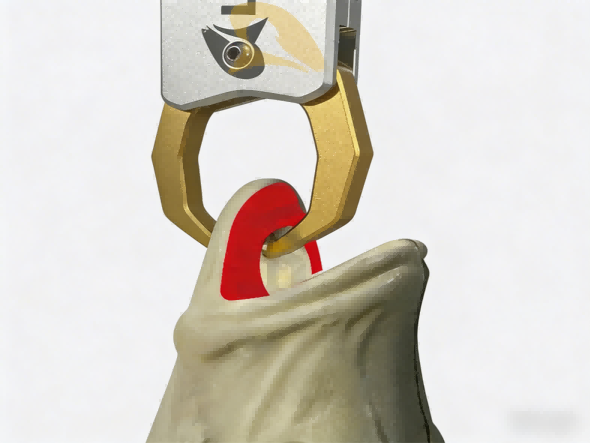
When selecting a jig head, the hook shape and type are just as crucial as the weight. For example, in live bait fishing, circle hook jig heads are popular for their self-setting properties and fish conservation benefits.
Practical Tips and Common Mistakes for Beginners
Common Mistake: Always Using One Weight
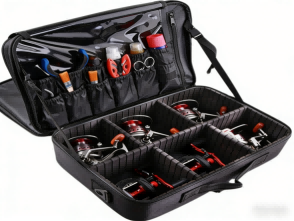
Many beginners tend to use the same weight jig head for all environments, which is incorrect. You need to keep a range of weights in your tackle box, from 3.5g up to 10g, to quickly adjust to changing water conditions.
Pro Tip: Bottom Contact is Key
How do you know if the jig head weight is right? The answer is: You must be able to feel the bait contacting the bottom. When your lure is sinking, if you can feel it hit the bottom (e.g., a "thud" or a brief pause), it indicates it's effectively reaching the bottom. If you can't feel it, you need to increase the weight.
REeffun also has a range of excellent products that fully consider bottom contact sensitivity and anti-snagging features in their design, making them particularly suitable for beginners to pick up quickly.
Advanced: The Art of Matching the head hook jig
The pairing of a head hook jig (jig head) with a soft plastic lure is not arbitrary. A good combination can make the soft lure mimic the natural posture of an injured baitfish in the water.
- Slim Soft Baits (or Straight Tail Baits): Paired with round or fish-head style jig heads to provide a straight and fast retrieve/vibration action.
- Paddle Tail Soft Baits: Paired with heavier jig heads to ensure stability during a fast retrieve, and the paddle tail creates a strong kicking action.
Species and Hook Type Selection Guide
Facing the diverse catches around the world, the right hook type can greatly increase the hook-up rate and reduce lost fish.
| Region | Common Target Species | Recommended Hook Type | Reason |
|---|---|---|---|
| North America | Largemouth Bass | Wide Gap Offset Hook | Penetrates the fish's mouth with a Texas rig |
| Europe | Sea Bass | Classic Ball Head Jig | Highly versatile, adapts to various soft plastics |
| Australia | Barramundi | High-Strength Straight Shank | To cope with its powerful bursts and hard mouth |
| Southeast Asia | Mackerel/Mangrove Species | Circle hook jig heads | Prevents deep hooking, facilitates quick release |
When dealing with these different species, having a set of REeffun's versatile jig head hooks allows you to be ready for various waters and fish species, making it an ideal choice for anglers worldwide.
Further Reading
To learn more about local water currents and fish habits, you can check the following non-commercial external links (Note: The content of the links is for reference only):
- U.S. Fish and Wildlife Service - Fisheries Resources
- Australian Government Department of Environment and Energy - Marine Life
Final Catch
Remember, the core principle for selecting a jig head is: Lighter is better, provided you can feel the bottom! By mastering the relationship between depth, current, and weight, you've taken a crucial step toward becoming a Lure fishing expert.
If this article was helpful for your global fishing adventures, don't forget to share it with your fishing buddies! Let's enjoy the joy of limiting out all over the world!