Many beginners and anglers heading to overseas waters (North America, Europe, Australia, Southeast Asia, etc.) don’t lack money — they lack clarity on which reel to buy.
This guide explains three common baitcasting reel types, how to match reels to target species, three practical tips, common mistakes, and beginner gear suggestions — all in a bite-sized, shareable format. Core keywords included naturally: fishing reels, reel big fish, saltwater fishing reels.
Step 1: Ask Yourself Three Questions
- Q1: Where will I mainly fish? (Environment dictates corrosion resistance and line capacity)
Coastal, estuary, lake, or creek — each environment differs. For saltwater choose saltwater fishing reels (corrosion resistant, better seals, larger spool). For freshwater, lighter reels can work.
- Q2: Which species are you targeting? (Target fish determine line and drag setup)
North America: largemouth/smallmouth bass, trout. Europe: pike, perch. Australia: barramundi. SE Asia: snakehead. If you’re targeting a reel big fish, prioritize line capacity and stable drag.
- Q3: How heavy are your lures? (Determines casting capability)
< 3.5g = ultralight/finesse; 3.5–20g = versatile range; 20g+ = long-cast / shore casting.
Three Reel Categories
Good for long coverage, shore casting, and big rivers — larger spool and stability. Prioritize this when you need distance.
Versatile / All-round
Ultralight / Finesse
Great for 1–3g lures and fine control; limited spool capacity and distance — not ideal for saltwater or reel big fish fights.
Practical Reel Picks by Lure Weight
- ≤ 3.5g: Ultralight — limited spool; use in creeks, small lakes, or ponds.
- 3.5–20g: Versatile reel — best starter choice; suits many overseas freshwater spots.
- ≥ 20g: Long-cast or larger versatile reels — for shore, long casts, and tackling reel big fish.
Common Beginner Mistakes
Light reels are comfortable, but tiny spools equal little line — a surprise reel big fish will cost you.
Mistake 1: Lighter Is Always Better
Light reels are comfortable, but tiny spools equal little line — a surprise reel big fish will cost you.
Mistake 2: Focusing on Model Numbers, Not Context
Don’t obsess over model numbers — focus on spool capacity, gear ratio, brake adjustability, and whether it’s suited as saltwater fishing reels if you fish the coast.
Mistake 3: Only Caring About Light Lure Casting, Ignoring Distance
Many “versatile” reels struggle with ultralight lures — since the trend is toward lighter lures, balance both light-lure and distance capabilities.
5 Practical Tricks You Can Use Right Now
- Adjust spool tension by lure weight: looser for light lures, tighter for heavy ones.
- Start brake at 60–70%: don’t max it out; dial it slowly.
- For saltwater fishing, check seals and corrosion protection: essential for saltwater fishing reels.
- Leave 2–3mm space on the spool: prevents overfill, line break or tangles.
- Practice short casts before increasing distance: builds feel and consistency.
Beginner Gear Checklist
- A versatile fishing reel (covers ~3.5–20g).
- Two lines: light (0.10–0.16mm) for small lures, main (0.18–0.30mm) for general / saltwater use.
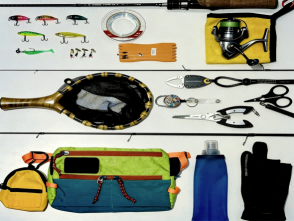
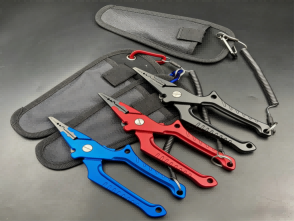
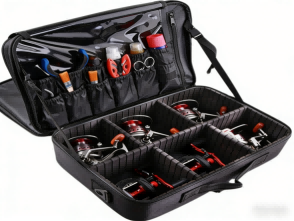
- Small cutters, spare spools, and a waterproof cloth.
- Practice brake and spool tension adjustments in real conditions.
How to Tell If a Reel Is Practical? (Three Checks)
- Can handle both 3.5g and 20g casts.
- Enough line capacity to handle the pull of a reel big fish.
- Corrosion protection / sealing options for frequent saltwater use.
At selection time, spool two line types and test casting and brake feedback — hands-on testing beats staring at specs.
Resources & External References (Non-Commercial)【External Reference】
- NOAA Fisheries — marine and nearshore species & regulations (US regional info).
- European Environment Agency — freshwater/marine species overview (for European species).
Final Tip & Share Invite
If you’re starting out, remember: buy a versatile fishing reel that handles ~3.5–20g; for coastal trips pick saltwater fishing reels; for reel big fish prioritize line capacity and stable drag.
If this helped, share it with your fishing buddies — more sharing, fewer mistakes, and more fish landed!